
NEWS
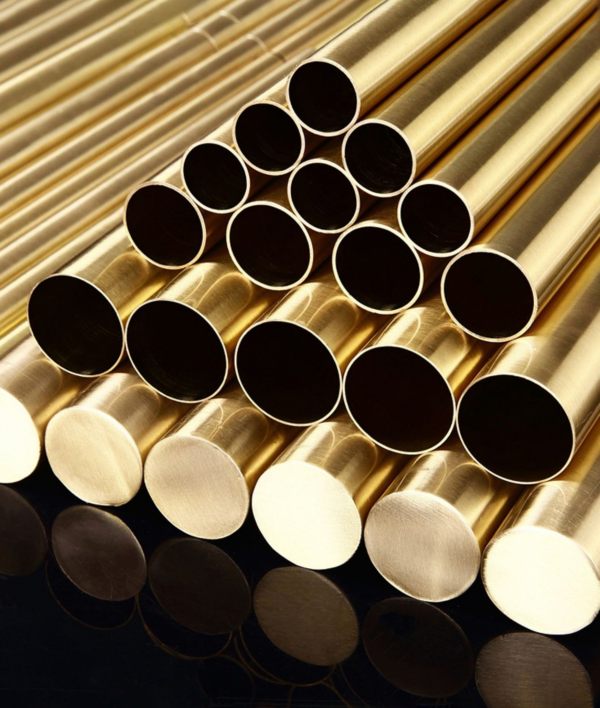
Copper is a non-ferrous metal that plays a vital role in human life. It is widely used in the electrical, light industrial, machinery manufacturing, construction, and defense industries, and ranks second only to aluminum in terms of consumption among non-ferrous metals in China. Copper is a red metal, but it is also considered a “green” metal. It is called a “green” metal primarily because it has a low melting point, making it easy to remelt and re-smelt, and therefore relatively inexpensive to recycle. In ancient times, it was primarily used for casting vessels, artworks, and weapons; well-known examples of vessels and artworks include the Houmuwu Tripod and the Square Vessel with Four Rams.
Electrical and Electronic Markets
The electrical and electronic markets account for approximately 28% of the total. In 1997, these two markets became the second-largest end-users of copper, holding a 25% market share. In many electrical products (e.g., wires, busbars, transformer windings, heavy-duty motors, telephone lines, and telephone cables), copper has a relatively long service life, and the copper within them can only be recycled after 20 to 50 years. Other copper-containing electrical and electronic products (e.g., small appliances and consumer electronics) have a shorter service life, typically 5 to 10 years. Commercial electronic products and large appliances are usually recycled because, in addition to copper, they contain other valuable metals. Nevertheless, the recycling rate for small consumer electronics remains quite low because they contain very little copper.
With the rapid advancement of science and technology in the electronics sector, some older copper-containing products are becoming increasingly obsolete. For example, in the 1980s, telephone switching stations and central offices were the primary sources of copper and copper alloy scrap, but the advent of digital switching has rendered these bulky, metal-intensive devices increasingly obsolete.
Transportation Equipment
Transportation equipment is the third-largest market for copper, accounting for approximately 13% of the total—a figure that has remained largely unchanged since the 1960s. Although the importance of transportation has not changed, the forms in which copper is used have shifted significantly. For many years, automotive radiators were the most important end-user application in this sector; however, the use of copper in automotive electrical and electronic components has grown rapidly, while its use in the heat exchanger market has declined. The average lifespan of a passenger car is 10–15 years, and nearly all of the copper—including radiators and wiring—is recovered before the vehicle is completely dismantled and recycled.
HAVE ANY QUESTION?